Tampa Boat Accident Lawyers for Collisions, Jet Skis and Rentals
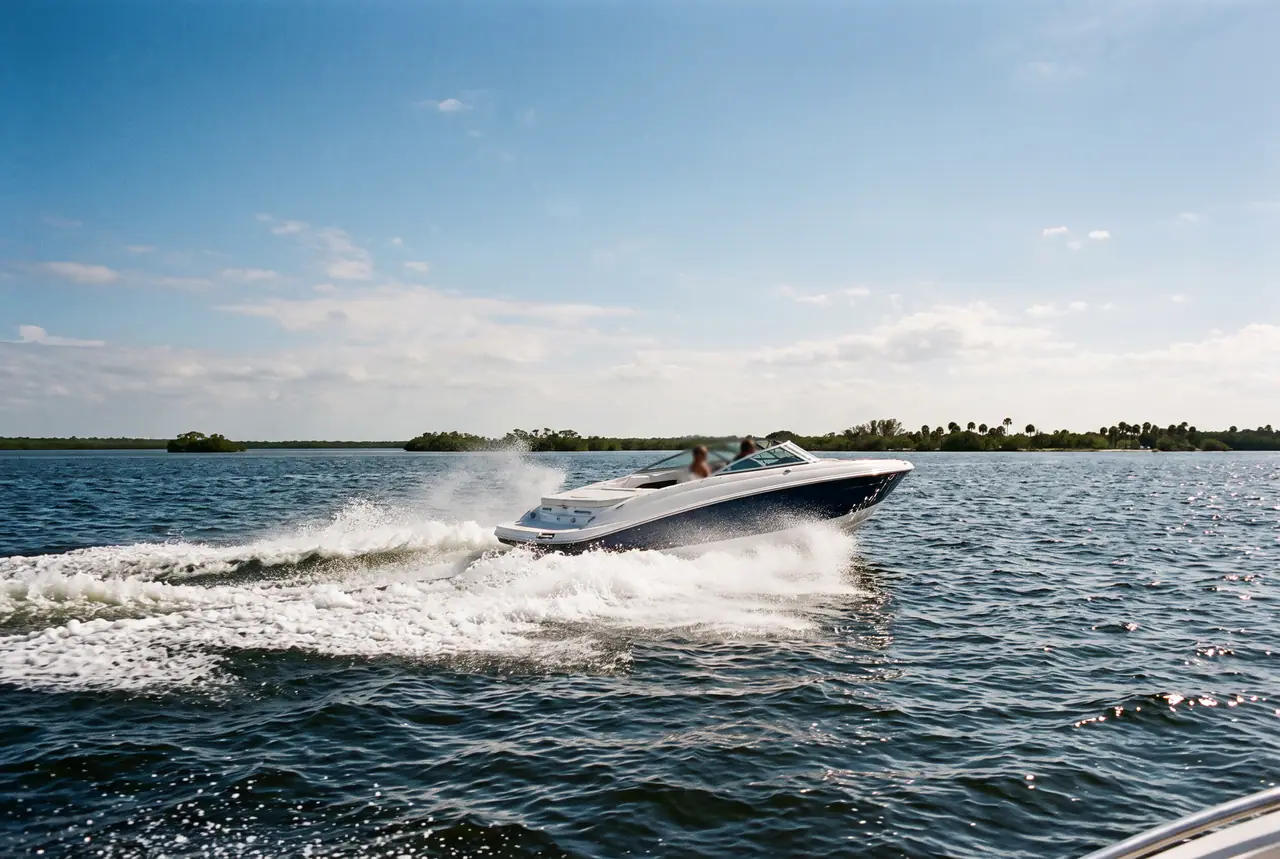
Boating is part of life in Tampa Bay, and so are crowded weekends on the water. When a careless operator, an impaired boater or a failed piece of equipment turns a day out into an emergency, we find out what happened and who is responsible.
Where Boating Accidents Happen Around Tampa Bay
Tampa Bay draws boaters year-round, and the busiest spots carry the most risk. On weekend afternoons, boats crowd the popular sandbars, anchoring close together while swimmers, paddleboards and jet skis move between them. Add alcohol, wakes and operators arriving or leaving too fast, and a relaxing day can turn dangerous.
Accidents also happen in channels near marinas and boat ramps, along the Gulf beaches, on the Hillsborough River, and in the rivers and canals to the north, including the Weeki Wachee River and Hernando County's waters during scallop season.
Sandbar collisions
Sandbar crashes raise tricky liability questions. An operator who comes in too fast or fails to watch for swimmers may be responsible. So may an owner who lent the boat to someone inexperienced, or a boater whose anchor dragged into others. Often more than one boater shares fault, and comparative fault rules decide how much each must pay.
Common Causes of Boat and Jet Ski Accidents
Florida boating law (Chapter 327, Florida Statutes) requires every operator to keep a proper lookout and travel at a safe speed. Many crashes trace back to a failure of those basic duties:
- Inattention and no lookout, missing swimmers, markers, other boats or shallow water
- Boating under the influence, which is illegal under section 327.35. The U.S. Coast Guard has identified alcohol as a leading factor in fatal boating accidents.
- Speed and wakes in crowded water or no-wake zones
- Inexperience. Operators born on or after January 1, 1988 need a Boating Safety Education ID card to run a boat with a motor of 10 horsepower or more.
- Equipment failure, including steering, throttle, fuel and electrical problems
- Overloading and missing safety gear. Children under 6 must wear a life jacket on a boat under 26 feet while it is underway.
Jet skis and other personal watercraft add their own risks: high speeds, sharp turns, riders thrown into the water and young operators. In Florida, no one under 14 may operate a personal watercraft.
Who May Be Responsible
Liability depends on what went wrong, and more than one party may share it:
- The operator who caused the crash
- The boat owner, if they lent the boat to someone unfit to run it or failed to maintain it
- Rental companies and charter operators, which have their own legal duties, including giving renters safety instruction before they head out
- Manufacturers and repair shops, when defective or poorly repaired equipment fails
- Other boaters whose reckless operation contributed
Equipment failures can be deadly. In one of our cases, a man was thrown from a boat in Clermont, Florida, when the steering column failed, and he died. Liability was disputed and the initial offer was $0. The result: $450,000 (Drowning in Clermont, FL). Past results do not guarantee a similar outcome.
Rental waivers deserve a close look, too. Signing one does not always end a claim. Waivers have limits, and Florida law restricts what a parent can sign away on a child's behalf.
Maritime Law and Insurance Questions
Boat cases do not always follow the same rules as car crashes. Accidents on navigable waters can involve federal maritime law, which may change which rules and deadlines apply. Boat owners sometimes rely on federal law to try to limit what they owe.
Insurance is different on the water as well. The PIP coverage on your auto policy does not apply to a boating injury, and Florida generally does not require recreational boat owners to carry liability insurance. We look for every possible source of recovery, including boat policies, homeowner's and umbrella policies, and the business coverage of rental companies, charters and marinas.
What to Do After a Boat Accident
- Get medical care for everyone who is hurt, even if injuries seem minor.
- Stay at the scene. Florida law requires operators involved in a crash to stop, help others and exchange information. Serious accidents must be reported to the Florida Fish and Wildlife Conservation Commission (FWC), the sheriff or local police.
- Photograph the boats, their registration numbers, the scene, weather and water conditions, and your injuries.
- Collect names and contact details for operators, owners, passengers, witnesses and any rental company.
- Keep the boat and its equipment as they are. Do not allow repairs or disposal until it has been inspected.
- Decline recorded statements to the other side's insurer until you have talked with us.
How We Handle Boat Accident Claims
Mike Hancock is a boater himself, and before founding our firm in 1996 he defended insurance companies. That combination helps us understand both how accidents on the water happen and how insurers evaluate these claims. We obtain the FWC or law enforcement report, track down witnesses and video, inspect the vessel and its equipment, and work with marine and engineering professionals when the cause is disputed.
We pursue compensation for medical bills, lost income, pain and suffering, and loss of enjoyment of life. Under Florida's comparative fault law, your recovery is reduced by your share of fault, and you generally cannot recover if you are found more than 50% at fault. Most Florida injury claims must be filed within two years, though maritime rules or claims against government entities can change the timeline. When an accident takes a life, we help families pursue a wrongful death claim.
Talk With a Tampa Boat Accident Lawyer
If you were hurt on the water, or lost someone you love, we can explain your options in a free consultation. There is no fee unless we recover for you. Contact us online or call (813) 915-1110 any time, day or night.
Representing Injured Boaters Across Tampa Bay
From Tampa Bay's sandbars to the Weeki Wachee River and the Gulf coast of Pasco and Hernando counties, we help injured boaters and their families throughout the region.
- Tampa
- Carrollwood
- Northdale
- Lutz
- Town ’n’ Country
- Brandon
- Temple Terrace
- New Tampa
- Wesley Chapel
- Land O’ Lakes
- Zephyrhills
- Odessa
- Spring Hill
- Brooksville
- Hudson
- New Port Richey
- Hillsborough County
- Pasco County
- Hernando County
Frequently Asked Questions
Who is liable for a sandbar collision?
Often the operator who failed to keep a proper lookout or came in too fast, but an owner who lent the boat or another careless boater may share responsibility. Fault can be divided among several people, and under Florida's comparative fault law you generally cannot recover if you are found more than 50% at fault.
I signed a waiver when I rented a jet ski. Can I still make a claim?
Possibly. Waivers have limits, rental businesses have their own legal duties, and Florida law restricts what a parent can waive for a child. We review the waiver and the facts before you assume you have no options.
Do I have to report a boating accident?
Operators involved in a crash must stop, help anyone hurt and exchange information. Serious accidents, such as those involving a death or an injury that needs more than first aid, must be reported to the FWC, the sheriff or local police, and that report becomes important evidence.
Does my car insurance PIP cover a boating injury?
No. PIP is auto coverage and does not apply to injuries on a boat. Recovery usually comes from the at-fault operator's or owner's insurance, other policies they carry, or a rental or charter business's coverage.
How long do I have to file a boat accident claim?
Most Florida injury claims must be filed within two years. Federal maritime law or a claim against a government entity can change the deadline, so talk with a lawyer promptly.