Do You Have to Give a Recorded Statement to the Insurance Company?
The other driver's adjuster wants your story on tape. Florida law doesn't require it. Here's why insurers ask, what they listen for, and what to say instead.

A day or two after the crash, your phone rings. The adjuster from the other driver’s insurance company is friendly, sympathetic and in a bit of a hurry. They just need a quick recorded statement to “get your side of the story” and “move your claim along.”
It sounds harmless, even helpful. Before you agree, it’s worth understanding what that recording is really for.
The Short Answer
To the other driver’s insurance company: no. Florida law does not require you to give the at-fault driver’s insurer a recorded statement. We recommend you don’t give one until you’ve talked with a lawyer.
To your own insurance company: it’s different. Your policy is a contract, and most policies require you to cooperate with your insurer’s investigation, including on Personal Injury Protection (PIP) and uninsured motorist claims. Refusing outright can put your own benefits at risk. That doesn’t mean you have to do it unprepared or alone.
Why Adjusters Want Your Words on Tape
Before founding Hancock Injury Attorneys in 1996, Mike Hancock defended insurance companies, including Allstate, State Farm and Geico. He has seen how recorded statements get used from the inside, and it’s rarely about learning the facts.
Think about it. The adjuster already has their own driver’s account and, often, the police report. When they ask for a statement “just to confirm our insured was at fault,” they usually already know the answer.
What the recording gives them is your words, locked in early, before you or your doctors know the full extent of your injuries. Months later, those words can be played back to attack your credibility or suggest you’re exaggerating.
What They’re Listening For
The questions in a recorded statement are chosen carefully. Adjusters are often listening for:
- “I’m fine.” A polite answer the day after a crash can be replayed months later, after your back pain turns out to be a herniated disc.
- Guesses. Estimates about speed, distance or timing that turn out to be wrong can be used to question everything else you said.
- Apologies and partial blame. Even a casual “I didn’t see them until the last second” can be used to argue you share fault.
- Prior injuries. Questions about old aches or past accidents give the insurer a way to blame your symptoms on something other than the crash.
- Gaps in treatment. If you haven’t seen a doctor yet, expect that to come up later as supposed proof you weren’t really hurt.
Shared fault matters in Florida. Under the state’s modified comparative negligence rule (section 768.81), your recovery is reduced by your percentage of fault, and if you are found more than 50% at fault you generally cannot recover. A few careless words in a recorded statement can become the insurer’s argument for shifting that percentage.
The Medical Authorization Trap
Along with the request for a statement, you may receive a blanket medical authorization to sign and return. It will look routine, even mandatory. It isn’t.
A blanket authorization can open the door to years of your medical history, and the adjuster is usually looking for a prior injury to the same body part. Don’t sign it before a lawyer reviews it. Relevant records can be shared in a controlled way when the time is right.
What to Say Instead
You don’t have to be rude, and you don’t have to argue. A short, polite script works:
- “I’m not giving a recorded statement at this time.”
- “Please put any requests in writing.”
- “My attorney will be in touch with you.”
You can confirm basic information like your name and contact details. Avoid discussing how the crash happened, your injuries or your medical history. Then end the call.
When Your Own Insurer Asks
After a car crash in Florida, your own PIP coverage is the first stop for medical bills, so you’ll be dealing with your own insurer either way. Report the crash promptly, as your policy requires, and get initial medical treatment within 14 days so you can use your PIP benefits (section 627.736).
If your insurer asks for a recorded or sworn statement, you don’t have to answer on the spot. You can:
- Ask to schedule it for a later date
- Ask what topics will be covered
- Have your lawyer present
- Review the facts, your photos and your medical visits beforehand
During the statement, answer only what’s asked and don’t guess. “I don’t know” and “I don’t remember” are honest, acceptable answers.
What If You Already Gave One?
Don’t panic. Many people give a statement before they know better, and it doesn’t automatically ruin a claim.
Write down what you remember saying while it’s fresh, ask the adjuster for a copy or transcript, and don’t give a second statement. Then tell your lawyer, who can account for it as the claim is built.
From here, consistency matters most. Follow your treatment plan, keep your medical records complete, and let your attorney handle communications with the insurance companies.
Other Calls to Watch For
The same caution applies when a trucking company, a rideshare company’s insurer, or a business where you were hurt reaches out. If a company representative calls asking about what happened, the conversation is about protecting that company, not you. You can politely decline and refer them to your lawyer.
How Having a Lawyer Changes the Conversation
Once you hire us, the adjusters talk to us, not you. Our team handles every insurer communication, so nothing you say is used against you. We gather the evidence, document your injuries and losses, and present your claim on our timeline, not the adjuster’s.
We prepare every case as if it may go to trial, because insurers take trial-ready lawyers seriously. If your insurer is delaying, denying or underpaying, our insurance disputes page explains how we push back. For the first steps after a wreck, see our guide to what to do after a car accident in Tampa.
Talk to Us Before You Talk to an Adjuster
If an adjuster is pressing you for a statement, call us first. Consultations are free, by phone, at your home, or over Zoom or FaceTime, and you’ll speak with an attorney. We work on a 100% contingency fee, so you owe no fee unless we recover for you. Read the Hancock Promise to see what you can expect from us.
Call (813) 915-1110, answered 24 hours a day, or contact us online.
This article is general information, not legal advice. Every case is different.

Founding attorney of Hancock Injury Attorneys. A former insurance defense lawyer, Mike has handled Florida personal injury cases for more than 35 years.
Continue reading
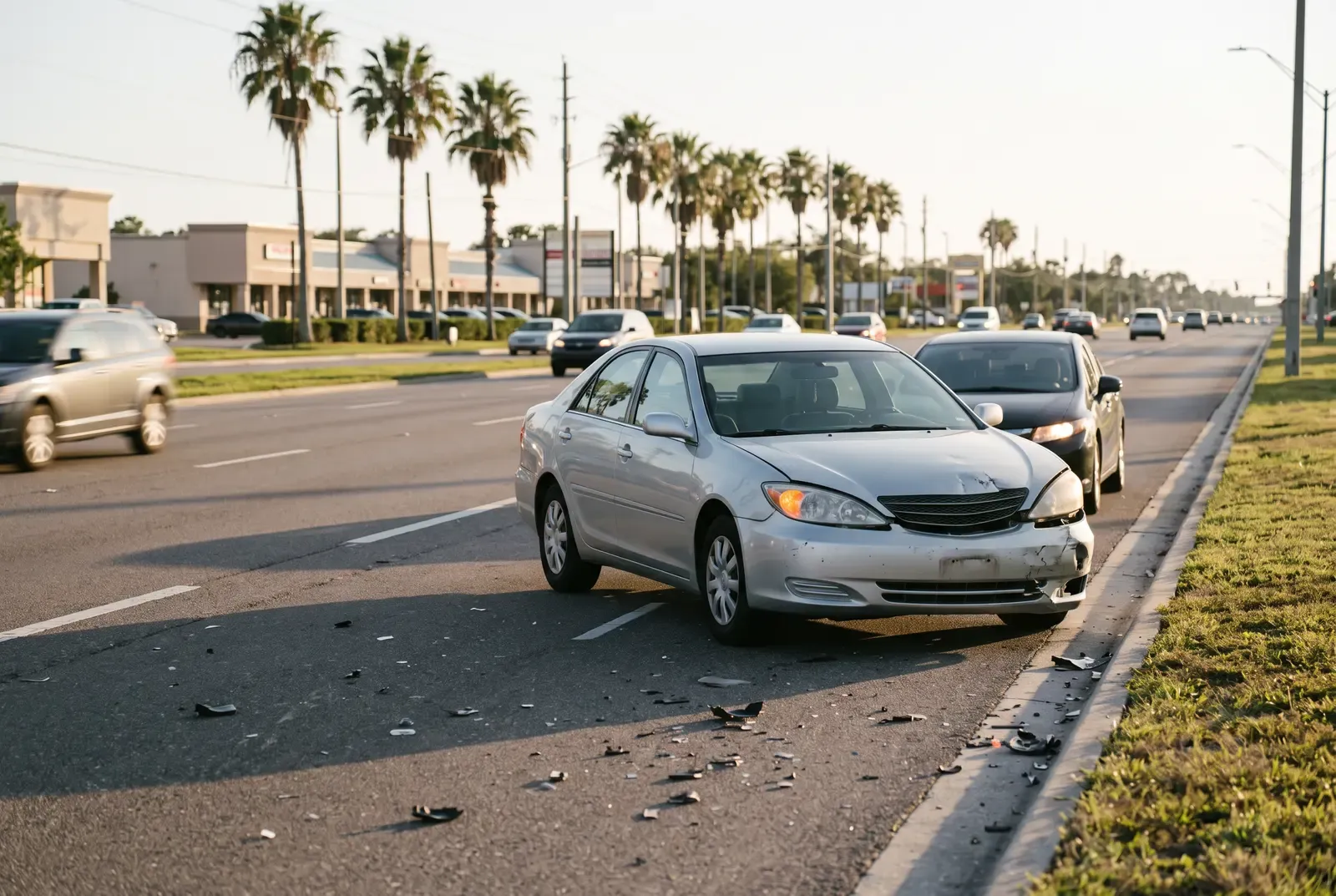
Just in a Car Accident in Tampa? What To Do First
A calm, step-by-step guide to the first hours and days after a Tampa crash: staying safe, the police report, photos, Florida's 14-day PIP rule, and what not to tell an adjuster.

When Is It Too Late to File a Personal Injury Claim in Florida?
Florida cut the deadline for most injury lawsuits from four years to two in 2023. Here's how the two-year rule works, the exceptions, and why waiting is riskier than it looks.

Who Is Liable for a Sandbar Boat Collision in Tampa?
Crowded sandbars mix anchored boats, swimmers and alcohol. Here's who can be held responsible when a collision or propeller strike happens in Tampa Bay, and what to do next.